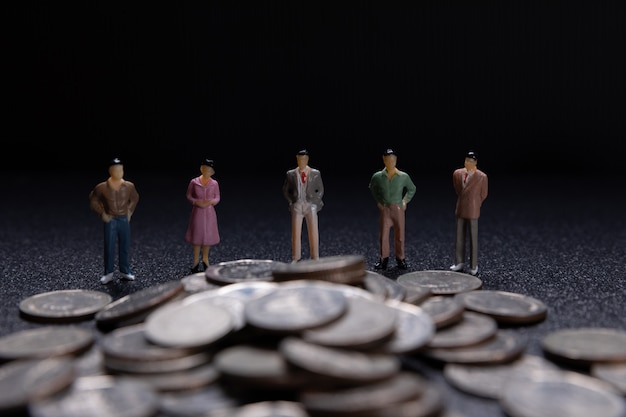
The Pulse of Democracy: Why Elections Matter Now More Than Ever
In an era marked by rapid technological change, shifting global power dynamics, and unprecedented societal challenges, elections stand as the cornerstone of democratic governance. They are not merely formalities but the lifeblood of a functioning society, offering citizens a voice in shaping their collective future. Yet, the very institutions that uphold these democratic processes are under siege—from misinformation campaigns and political polarization to systemic distrust and external interference. “Elections Unplugged” explores how democracy endures in a chaotic world, examining the forces that shape electoral outcomes, the role of technology, and the enduring importance of civic participation.
Democracy, at its core, is a contract between the governed and the governing. It assumes that power is not inherited or seized but earned through the consent of the people. Elections are the mechanism through which this contract is renewed periodically, allowing societies to course-correct, redefine priorities, and hold leaders accountable. In a world where authoritarianism and populism are on the rise, the act of voting transcends its procedural nature—it becomes an assertion of collective will against forces that seek to undermine freedom, transparency, and pluralism.
The Mechanics of Electoral Chaos: How Systems Break Down
The Rise of Misinformation and Disinformation
One of the most insidious challenges facing modern elections is the weaponization of information. Social media platforms, once hailed as tools for democratization, have become battlegrounds where fabricated news, deepfake videos, and coordinated disinformation campaigns distort public perception. During the 2016 U.S. presidential election, foreign actors exploited weaknesses in digital infrastructure to sow discord, while domestic political operatives leveraged microtargeting to manipulate voter behavior. The result? A fractured electorate where facts are negotiable, and trust in institutions erodes.
The consequences of misinformation are far-reaching. Voters may cast ballots based on false premises, candidates may gain undue advantage through smear campaigns, and the legitimacy of election results can be called into question. Even when debunked, false narratives often persist, leaving a trail of cynicism in their wake. Countries like India, Brazil, and the Philippines have seen how viral disinformation can destabilize elections, with real-world violence sometimes erupting in its aftermath.
The Erosion of Trust in Electoral Integrity
Trust is the bedrock of any democratic election. When voters believe the system is rigged—whether due to gerrymandering, voter suppression, or flawed technology—their participation wanes, and the legitimacy of the outcome is undermined. In the United States, debates over voter ID laws, mail-in ballot access, and the security of electronic voting machines have sparked intense partisan battles. Meanwhile, in countries like Kenya and Nigeria, elections are often marred by allegations of ballot tampering and intimidation, leading to post-election violence and international condemnation.
The 2020 U.S. election, though widely regarded as one of the most secure in history, still saw widespread claims of fraud propagated by then-President Donald Trump, culminating in the January 6 Capitol riot. Such episodes highlight how even baseless allegations can erode confidence in democratic norms. Globally, the trend is concerning: according to the Edelman Trust Barometer, trust in governments and media has declined in 27 of 28 surveyed countries, with many citizens believing their voices do not matter in the electoral process.
Technology as a Double-Edged Sword: Innovation vs. Exploitation
The Promise of Digital Democracy
Technology has revolutionized how elections are conducted, making the process more accessible, efficient, and transparent. Online voter registration, electronic voting machines, and real-time result dissemination have streamlined operations in many democracies. Countries like Estonia and South Korea have pioneered internet voting, allowing citizens to cast ballots remotely with verified digital identities. Blockchain technology is being explored to create tamper-proof voting ledgers, while artificial intelligence is used to detect anomalies in voter rolls and predict turnout patterns.
Beyond logistics, digital tools have democratized political engagement. Social media enables grassroots movements to mobilize voters, while crowdfunding platforms allow candidates to bypass traditional funding barriers. Movements like #MeToo and Black Lives Matter have harnessed digital organizing to pressure governments into action, proving that technology can amplify marginalized voices.
The Perils of Technological Dependency
Yet, technology is a double-edged sword. The same tools that empower can also disenfranchise. Cyberattacks on election infrastructure—such as the 2015 hack of Ukraine’s Central Election Commission or the 2020 breach of a U.S. voter registration database—expose vulnerabilities that could be exploited in future elections. Machine learning algorithms, while efficient, can also reinforce biases in voter targeting, disproportionately influencing certain demographics. Additionally, the digital divide leaves millions of citizens—particularly the elderly, rural populations, and low-income groups—at a disadvantage, unable to access online voting or register digitally.
Perhaps the most troubling trend is the commodification of voter data. Companies like Cambridge Analytica have shown how personal information can be harvested and weaponized to manipulate voting behavior. In an age where data is the new oil, the privacy of voters is increasingly at risk, raising ethical questions about who controls electoral information and how it is used.
The Human Element: Why Civic Participation Still Triumphs
The Power of Local Engagement
Amidst the noise of global upheaval, local elections often receive less attention—but they are where the most tangible impact is felt. Mayoral races, school board elections, and municipal referendums shape the daily lives of citizens in ways that national politics cannot. These races are also more accessible to grassroots candidates, offering a pathway for underrepresented voices to enter the political arena. The 2022 U.S. midterm elections, for instance, saw a record number of school board candidates running on issues like book bans and curriculum changes, reflecting broader societal divides.
Local engagement also fosters a culture of accountability. When citizens participate in town halls, attend council meetings, or volunteer for campaigns, they create a feedback loop that keeps leaders responsive. The #BlackLivesMatter protests of 2020, while global in scope, translated into local policy changes—such as defunding police departments or mandating bias training—demonstrating how bottom-up movements can reshape governance.
The Role of Young Voters in Shaping the Future
No discussion of elections in a chaotic world is complete without addressing the role of youth. Generation Z and Millennials now make up the largest voting bloc in many democracies, and their priorities—climate change, social justice, economic inequality—are reshaping political agendas. The 2019 European Parliament elections saw a surge in youth turnout, with climate activist Greta Thunberg’s calls for action resonating across borders. In the U.S., the 2020 election saw the highest youth voter turnout in decades, with young people of color playing a pivotal role in key swing states.
However, youth engagement is not guaranteed. Apathy, disillusionment with traditional politics, and structural barriers like voter ID laws disproportionately affect young voters. Organizations like Rock the Vote and the Sunrise Movement have worked to bridge this gap, using social media and peer-to-peer organizing to mobilize the next generation. Their efforts highlight a critical truth: the future of democracy depends on whether young people see voting as a right to be exercised or a privilege to be taken for granted.
Lessons from Around the World: Resilience in the Face of Adversity
Case Study: India’s Juggernaut Election
India’s general elections are the largest democratic exercise on Earth, with over 900 million eligible voters casting ballots across seven phases. The 2019 election saw Prime Minister Narendra Modi secure a second term amidst accusations of Hindu nationalist propaganda and media censorship. Yet, despite these challenges, India’s electoral commission has maintained a reputation for neutrality, deploying millions of polling officials and using electronic voting machines to minimize fraud.
What makes India’s elections remarkable is their sheer scale and the resilience of its democratic institutions. Even in the face of communal tensions and disinformation, citizens turn out in massive numbers, often waiting for hours in lines that stretch for blocks. The election process itself becomes a unifying spectacle, a reminder that democracy endures even in the most diverse and complex societies.
Case Study: Estonia’s Digital Democracy
Estonia has earned a reputation as a global leader in digital governance, with 99% of its public services available online. During elections, citizens can vote via the internet using a secure digital ID, a system that has been in place since 2005. The country’s e-residency program even allows non-citizens to participate in elections, albeit only for local councils. Estonia’s model demonstrates how technology, when implemented with robust safeguards, can enhance both accessibility and security.
However, Estonia’s success is not without challenges. Cyberattacks, including a 2007 assault linked to Russia, have exposed vulnerabilities in digital infrastructure. The country has since invested heavily in cybersecurity, including a “digital immunity” system that shares threat intelligence across government agencies. Estonia’s experience underscores a vital lesson: digital democracy must be paired with strong institutions and continuous adaptation to emerging threats.
What’s Next? The Future of Electoral Democracy
The Urgency of Electoral Reform
To restore faith in elections, systemic reforms are essential. These include:
- Campaign Finance Transparency: Implementing strict limits on donations and mandating real-time disclosure of funding sources to reduce corporate influence.
- Ranked-Choice Voting: Adopting systems that encourage consensus-building and reduce the spoiler effect in multi-candidate races.
- Automatic Voter Registration: Enrolling citizens as voters when they interact with government agencies, reducing bureaucratic hurdles.
- Independent Redistricting Commissions: Removing partisan gerrymandering by entrusting map-drawing to non-partisan bodies.
- Mandatory Media Literacy Education: Teaching citizens how to critically evaluate sources and identify misinformation.
The Role of International Cooperation
Elections do not exist in a vacuum. International organizations like the United Nations, European Union, and Organization for Security and Co-operation in Europe (OSCE) play a crucial role in monitoring elections, providing technical assistance, and sanctioning countries that violate democratic norms. The OSCE’s election observation missions, for example, have been deployed to over 30 countries since the 1990s, offering impartial assessments of electoral integrity.
Yet, global cooperation is increasingly strained. Great power rivalry between the U.S. and China, coupled with the rise of authoritarian regimes in Russia and Turkey, has led to a retreat from democratic promotion. The 2022 U.S. midterms saw a record number of election deniers running for office, many of whom received support from foreign actors. This underscores the need for renewed international commitment to defending democratic norms, including through sanctions, diplomatic pressure, and support for civil society.
A Call to Action: How You Can Make a Difference
Democracy is not a spectator sport. Every election, no matter how local or seemingly insignificant, offers an opportunity to shape the future. Here’s how you can engage:
- Register to Vote: Ensure you’re on the voter rolls and know the deadlines in your area. Use online tools like Vote.org or your country’s electoral commission website to check your status.
- Stay Informed: Follow reputable sources for election news, and fact-check claims before sharing them. Organizations like PolitiFact and FactCheck.org can help verify information.
- Volunteer: Join a campaign, work at a polling station, or donate to organizations that promote voter turnout. Groups like Rock the Vote and Common Cause offer pathways to get involved.
- Run for Office: If you’re passionate about change, consider running for local office. Many democracies have programs to support first-time candidates, such as the U.S. Leadership Now Project.
- Hold Leaders Accountable: Attend town halls, write to your representatives, and demand transparency. Use social media to amplify underrepresented voices and challenge misinformation.
- Support Electoral Integrity: Donate to or volunteer with organizations that monitor elections, such as NDI (National Democratic Institute) or IFE (Mexico’s electoral institute).
Conclusion: The Unfinished Symphony of Democracy
Elections are not just about choosing leaders—they are about defining the kind of society we want to live in. In a chaotic world where authoritarianism, climate crises, and technological disruption loom large, the act of voting becomes an act of defiance, a reassertion of agency in the face of forces that seek to control or silence us. Yet, democracy is more than a single day at the polls; it is a continuous process of engagement, debate, and vigilance.
The challenges we face are daunting, but so too is the potential for renewal. History has shown that when citizens refuse to cede power, when they demand accountability, and when they organize for change, democracy finds a way to endure. The pulse of democracy is not steady—it ebbs and flows with the tides of public sentiment, technological innovation, and global events. But as long as people believe in the power of their vote, the spirit of democracy will continue to beat, even in the darkest of times.
So, the next time an election rolls around, ask yourself: Will you let the chaos silence your voice, or will you step forward and be part of the solution? The future of democracy depends on it.