Introduction & Background
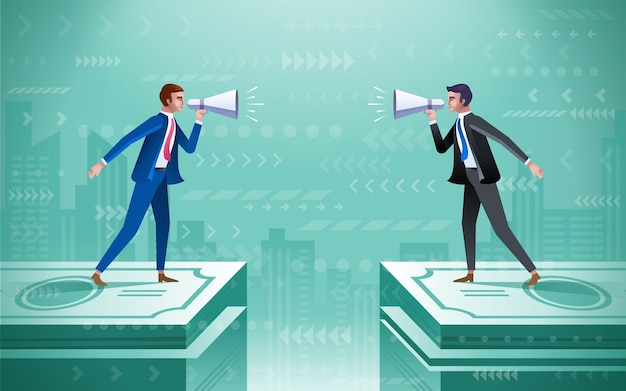
In an era where geopolitical tensions simmer beneath the surface and societal divides deepen, the concept of political fault lines has taken center stage. These silent shifts are not the dramatic earthquakes of revolutions past, but rather the subtle, steady movements in public sentiment, policy priorities, and ideological realignments that reshape the political landscape. Today’s fault lines are less about sudden upheavals and more about the slow erosion of consensus, the fragmentation of traditional alliances, and the rise of new narratives that challenge long-standing norms. Understanding these shifts is not just an academic exercise, but a necessity for policymakers, businesses, and citizens alike. As trust in institutions wanes and polarization becomes a defining feature of modern politics, decoding these fault lines offers a roadmap to navigating an increasingly complex world.
Concept & Overview
The term “political fault lines” refers to the underlying tensions and divisions within societies that can erupt into open conflict or, more often, redefine political priorities over time. Unlike visible political battles, these fault lines operate beneath the surface, manifesting in shifts in voting patterns, media consumption, and cultural attitudes. They are shaped by economic disparities, technological disruptions, demographic changes, and ideological clashes that redefine what communities and nations prioritize. At their core, political fault lines represent the gap between the status quo and the evolving aspirations of the public. They are not static, but dynamic forces that evolve with each generation, each crisis, and each technological leap. Recognizing these shifts early can help societies adapt before tensions escalate into unrest.
Key Features & Highlights
- Economic Anxiety as a Driver: One of the most persistent fault lines today stems from growing economic inequality and insecurity. As automation, globalization, and financial crises reshape labor markets, large segments of the population feel left behind, fueling distrust in traditional economic systems and political elites.
- Cultural Polarization: Society is increasingly divided along cultural lines, with debates over identity, immigration, and social values intensifying. These divides often transcend political affiliations, creating a patchwork of communities that prioritize different visions of society.
- The Role of Social Media: Digital platforms have accelerated the formation of echo chambers, where misinformation and extreme viewpoints thrive. These environments amplify polarization, making it harder for rational discourse to bridge divides.
- Demographic Shifts: Aging populations in some regions and youth bulges in others are redefining political priorities. In places like Europe, aging voters focus on pensions and healthcare, while younger generations push for climate action and social justice.
- Erosion of Trust in Institutions: Declining confidence in governments, media, and even science has eroded the shared narratives that once held societies together. This distrust fuels conspiracy theories and radicalization, further deepening fault lines.
- Climate Change as a Unifying (or Dividing) Force: Environmental crises can either unite societies in collective action or exacerbate existing tensions. Resource scarcity and climate migration often become flashpoints, pitting different groups against each other.
Frequently Asked Questions / Pros & Cons
What causes political fault lines to deepen?
Fault lines deepen when multiple crises converge, creating a perfect storm of societal stress. Economic downturns, pandemics, and geopolitical conflicts often act as catalysts, exposing existing vulnerabilities. When institutions fail to address these crises effectively, public frustration grows, and alternative narratives gain traction. Social media algorithms that prioritize outrage and sensationalism further polarize opinions by reinforcing tribal identities.
Are political fault lines always a bad thing?
Not necessarily. Some fault lines can be healthy, acting as a pressure valve for societal grievances. They can lead to necessary reforms, greater transparency, and more inclusive policies. However, when fault lines harden into rigid divisions, they can paralyze governance, undermine democracy, and even spark violence. The key lies in managing these tensions constructively rather than letting them spiral out of control.
How do political fault lines impact global politics?
Today’s fault lines extend beyond national borders, influencing international relations. For example, rising nationalism in one country can trigger protectionist policies that strain global trade. Similarly, ideological clashes over human rights or climate action can create rifts between allies. Multilateral institutions like the UN or NATO often struggle to mediate these divides, leading to a more fragmented and unstable global order.
Can technology bridge or widen political fault lines?
Technology is a double-edged sword. On one hand, digital platforms can democratize information, giving marginalized voices a platform and enabling grassroots movements. On the other, algorithms designed to maximize engagement often amplify divisive content, deepening polarization. The challenge lies in designing technologies that encourage dialogue rather than division, fostering spaces where diverse perspectives can coexist.
Practical Guidance & Solutions
Addressing political fault lines requires a multi-faceted approach that balances short-term stability with long-term resilience. Here are actionable steps for different stakeholders:
- For Policymakers:
- Invest in policies that address root causes of inequality, such as affordable housing, education reform, and job retraining programs.
- Promote media literacy initiatives to combat misinformation and encourage critical thinking.
- Foster inclusive dialogue through town halls, citizen assemblies, and grassroots engagement to rebuild trust.
- For Businesses:
- Adopt transparent and ethical practices that align with societal values, especially on issues like climate change and labor rights.
- Diversify leadership to reflect the changing demographics of their workforce and customer base.
- Engage in corporate diplomacy by supporting initiatives that bridge divides, such as cross-community dialogue programs.
- For Citizens:
- Seek out diverse perspectives by consuming news from multiple sources and engaging in respectful discussions with people outside your social circle.
- Support local and national organizations that promote civic engagement and social cohesion.
- Hold leaders accountable by participating in democratic processes, from voting to advocating for policy changes.
Ultimately, navigating political fault lines is about recognizing that polarization is not an inevitability but a challenge to be met with intentionality and collaboration. Small, consistent efforts to bridge divides can yield significant long-term benefits for society as a whole.
Conclusion
The silent shifts in today’s political landscape are not just background noise; they are the defining struggles of our time. From the corridors of power to the streets of our neighborhoods, these fault lines shape the way we live, work, and interact with one another. What makes them particularly insidious is their ability to lurk in the shadows, growing stronger until they erupt in unexpected ways. Yet, within these challenges lies an opportunity. By understanding the root causes of division and actively working to bridge them, we can transform today’s tensions into tomorrow’s progress. The question is not whether these shifts will continue, but how we will respond to them. Will we let them tear us apart, or will we use them as a catalyst for a more inclusive and resilient future? The choice lies in our hands.